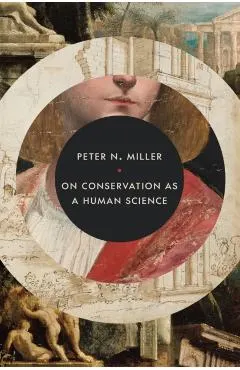
On Conservation as a Human Science
nConservators as first responders in a world where our cultural heritage is increasingly at risk n nConservation can be understood as a form of knowing; conservators extract meaning about the past from what rem
La minimul din 30 de zileCel mai bun preț din fiecare magazin
| Magazin | Preț | Istoric | |
|---|---|---|---|
LB Libris ISBN 9780691263809 |
182,78 lei | la minimul propriu | Vezi în magazin |
Prețurile sunt preluate automat din feed-urile magazinelor și pot varia; prețul valabil este cel din magazin, la finalizarea comenzii. Linkurile către magazine sunt linkuri de parteneriat — nu îți schimbă prețul și nu influențează ordinea ofertelor.
Evoluția prețului
Istoricul de preț se construiește — mai avem nevoie de câteva zile de monitorizare pentru un grafic relevant.
Ce arată măsurătorile noastre
la minimul din 30 de zileCifrele sunt calculate exclusiv din prețurile înregistrate de noi, zilnic, la magazinele monitorizate.
Graficul arată cel mai mic preț disponibil în fiecare zi, între toate magazinele monitorizate. Linia verde este minimul din ultimele 30 de zile.
Îți trimitem un e-mail când prețul scade sub 182,78 lei. Îți cerem o confirmare pe e-mail înainte de a-ți trimite orice alertă și te poți dezabona oricând.
Despre acest produs
nConservators as first responders in a world where our cultural heritage is increasingly at risk n nConservation can be understood as a form of knowing; conservators extract meaning about the past from what remains, while noting what is missing and sometimes repairing it. In this erudite and virtuosic book, the historian Peter N. Miller imagines the outlines of a new, expansive notion of conservation that links the world around us--natural and man-made--to the world inside us--our genome, our memories. Putting the work of conservation into conversation with history, philosophy, and literature yields a shift in perspective. It raises questions central to the work of the humanities: What does time mean? How do we write about knowledge? How does care connect humans not just with the world but also with each other? And where does freedom exist in a world of things? n nMiller casts conservators as first responders in a world as fragile as the things they work on. He argues that a broader conception of conservation can provide the necessary intellectual resources for grappling with the scale of the enormous challenges ahead. Offering a kind of sketch of a curriculum for that future, Miller suggests that shaping the person of the conservator is as important as shaping the field. For only those trained to think about change through the painstaking labor of preserving and restoring will be able to do the work of policy and advocacy required by our uncertain future.n
Descriere preluată din fișa produsului de la Libris.
Produse similare din Științe & tehnică
Vezi categoria →