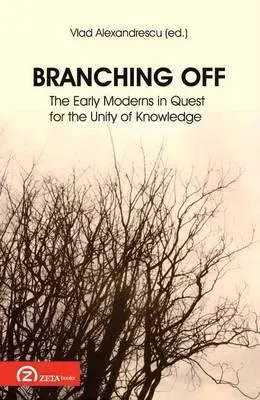
Branching Off. The Early Moderns in Quest for the Unity of Knowledge
As Francis Bacon put it on the frontispiece of his Novum Organum, grafting an apocalyptic vision on a research program, multi pertransibunt et multiplex erit scientia.
La cel mai bun preț din ultima lună (36,00 lei)Unde cât costă
| Magazin | Preț | Istoric | |
|---|---|---|---|
CĂ Cărturești |
36,00 lei | la minimul propriu | Vezi în magazin |
Prețurile vin automat din listele magazinelor și se mai schimbă între timp. Cel care contează e cel din coșul magazinului, la plată. Linkurile către magazine sunt de parteneriat: dacă cumperi, luăm un comision de la magazin. Pe tine nu te costă nimic în plus, iar ordinea de mai sus e strict după preț.
Cum s-a mișcat prețul
Ce am observat noi
la minimToate cifrele de mai sus ies din ce am notat noi, în fiecare noapte. Nu le-am luat de nicăieri.
În fiecare zi luăm cel mai mic preț dintre toate magazinele și îl punem pe grafic. Linia verde e cel mai jos a coborât în ultima lună.
Lasă-ne adresa și îți scriem dacă scade sub 36,00 lei. Un singur e-mail, când chiar se întâmplă ceva. Îți cerem întâi o confirmare, și te poți retrage oricând dintr-un click.
Întrebări frecvente
Cât costă Branching Off. The Early Moderns in Quest for the Unity of Knowledge?
Cel mai ieftin îl găsești la Cărturești, cu 36,00 lei. Verificăm cifra în fiecare zi, direct din lista de prețuri a magazinului.
Este reducerea la Branching Off. The Early Moderns in Quest for the Unity of Knowledge una reală?
Nu chiar. Costă 36,00 lei, adică exact cât l-am văzut cel mai ieftin în ultima lună. Nu e o scădere nouă — dar nici nu plătești mai mult decât cei care au prins momentul bun.
Care a fost cel mai mic preț la Branching Off. The Early Moderns in Quest for the Unity of Knowledge?
Cel mai ieftin l-am prins la 36,00 lei — adică exact cât costă azi. Îl urmărim de 18 zile.
Ce zice magazinul despre el
As Francis Bacon put it on the frontispiece of his Novum Organum, grafting an apocalyptic vision on a research program, multi pertransibunt et multiplex erit scientia. The development of science becomes steadily associated with the end of earthly life, a theme that would resound deeply in Western thought up until Goethe’s Faust. What grounds then the multiplicity of knowledge? What is the common trunk out of which all realms of knowledge unfold, like the burgeoning branches of the celebrated tree? After the Augustinian imprint of the first Christian centuries and after the admirable effort of the high scholastics’ Aristotelian and Christian synthesis, the seventeenth century undertakes new scientific work with the need of a new steady ground. All the big names of the modern era, Francis Bacon, Galileo, Descartes, Robert Boyle, Spinoza or Leibniz, found themselves engaged in the search for a common trunk of wisdom, each of them nourishing the intimate conviction that they possessed the philosophical core which would satisfy the learned men’s newly found appetite for indefinitely extending knowledge. In doing this, all of these masters needed to confront the philosophical tradition that they received, reworking and merging together the old structures of science through this epistemological prism of the search for the unity of knowledge. (Vlad Alexandrescu)
Descrierea e luată de la Cărturești.
Produse similare din Cărți în limbi străine
Vezi categoria →