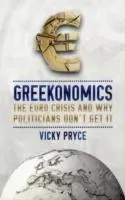
Greekonomics : The Euro Crisis and Why Politicians Don't Get it
Economist Vicky Pryce reflects on the current crisis in the Euro Zone - its causes and how Europe has responded, and offers her thoughts on what might and what needs to happen if the Euro is to survive in its…
La cel mai bun preț din ultima lună (92,00 lei)Unde cât costă
| Magazin | Preț | Istoric | |
|---|---|---|---|
CĂ Cărturești |
92,00 lei | la minimul propriu | Vezi în magazin |
Prețurile vin automat din listele magazinelor și se mai schimbă între timp. Cel care contează e cel din coșul magazinului, la plată. Linkurile către magazine sunt de parteneriat: dacă cumperi, luăm un comision de la magazin. Pe tine nu te costă nimic în plus, iar ordinea de mai sus e strict după preț.
Cum s-a mișcat prețul
Ce am observat noi
la minimToate cifrele de mai sus ies din ce am notat noi, în fiecare noapte. Nu le-am luat de nicăieri.
În fiecare zi luăm cel mai mic preț dintre toate magazinele și îl punem pe grafic. Linia verde e cel mai jos a coborât în ultima lună.
Lasă-ne adresa și îți scriem dacă scade sub 92,00 lei. Un singur e-mail, când chiar se întâmplă ceva. Îți cerem întâi o confirmare, și te poți retrage oricând dintr-un click.
Întrebări frecvente
Cât costă Greekonomics : The Euro Crisis and Why Politicians Don't Get it?
Cel mai ieftin îl găsești la Cărturești, cu 92,00 lei. Verificăm cifra în fiecare zi, direct din lista de prețuri a magazinului.
Este reducerea la Greekonomics : The Euro Crisis and Why Politicians Don't Get it una reală?
Nu chiar. Costă 92,00 lei, adică exact cât l-am văzut cel mai ieftin în ultima lună. Nu e o scădere nouă — dar nici nu plătești mai mult decât cei care au prins momentul bun.
Care a fost cel mai mic preț la Greekonomics : The Euro Crisis and Why Politicians Don't Get it?
Cel mai ieftin l-am prins la 92,00 lei — adică exact cât costă azi. Îl urmărim de 20 zile.
Ce zice magazinul despre el
Economist Vicky Pryce reflects on the current crisis in the Euro Zone - its causes and how Europe has responded, and offers her thoughts on what might and what needs to happen if the Euro is to survive in its current form. She pays particular attention to Greece, the country of her birth, the country first in the firing line in the Euro crisis and the country even now seen as Europe's 'problem child'. But as Pryce explains, the roots of the Euro's crisis are much broader than a set of profligate governments in Greece, Ireland, Portugal, Italy or Spain. The flaws in the current system were obvious to economists from the outset. Politicians ignored or downplayed these in creating the Euro and indeed made the problem worse by watering down the controls that were in place. If the Euro is to survive in the long term, even greater political and fiscal integration and cooperation will be required. The dilemma is that the slow and unimaginative response of the German and other northern European political classes to the current crisis and the consequent enormous pain that is now being inflicted on many countries, has led to greater nationalism and made reaching the consensus necessary to pull Europe out of its crisis more, rather than less, difficult. This book will be required reading for economists, politicians, market practitioners, public servants and anyone interested in understanding the current crisis.
Descrierea e luată de la Cărturești.
Produse similare din Cărți în limbi străine
Vezi categoria →