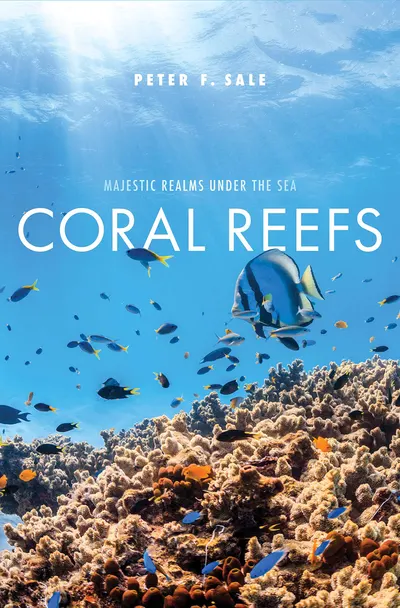
Coral Reefs
When mass coral bleaching and die‑offs were first identified in the 1980s, and eventually linked to warming events, the scientific community was sure that such a dramatic and unambiguous signal would serve as a
Încă îl urmărimCum s-a mișcat prețul
Ce am observat noi
la minimToate cifrele de mai sus ies din ce am notat noi, în fiecare noapte. Nu le-am luat de nicăieri.
În fiecare zi luăm cel mai mic preț dintre toate magazinele și îl punem pe grafic. Linia verde e cel mai jos a coborât în ultima lună.
Lasă-ne adresa și îți scriem dacă scade sub —. Un singur e-mail, când chiar se întâmplă ceva. Îți cerem întâi o confirmare, și te poți retrage oricând dintr-un click.
Ce zice magazinul despre el
When mass coral bleaching and die‑offs were first identified in the 1980s, and eventually linked to warming events, the scientific community was sure that such a dramatic and unambiguous signal would serve as a warning sign about the devastating effects of global warming. Instead, most people ignored that warning. Subsequent decades have witnessed yet more degradation. Reefs around the world have lost more than 50 percent of their living coral since the 1970s. In this book, distinguished marine ecologist Peter F. Sale imparts his passion for the unexpected beauty, complexity, and necessity of coral reefs. By placing reefs in the wider context of global climate change, Sale demonstrates how their decline is more than simply a one‑off environmental tragedy, but rather an existential warning to humanity. He offers a reframing of the enormous challenge humanity faces as a noble venture to steer the planet into safe waters that might even retain some coral reefs.
Descrierea e luată de la Cărturești.
Produse similare din Cărți în limbi străine
Vezi categoria →