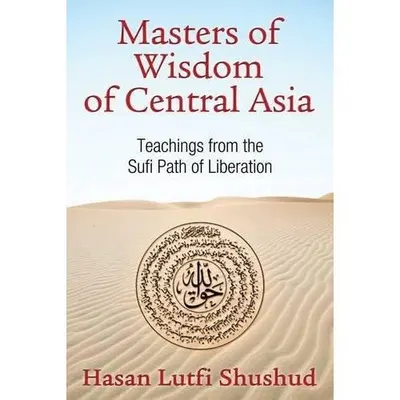
Masters of Wisdom of Central Asia
Almost one thousand years ago a new and powerful nexus of spiritual transmission emerged in Central Asia and lasted for five centuries, reaching its culmination in the work of the Khwajagan or "Masters of Wisdo
Încă îl urmărimCum s-a mișcat prețul
Ce am observat noi
la minimToate cifrele de mai sus ies din ce am notat noi, în fiecare noapte. Nu le-am luat de nicăieri.
În fiecare zi luăm cel mai mic preț dintre toate magazinele și îl punem pe grafic. Linia verde e cel mai jos a coborât în ultima lună.
Lasă-ne adresa și îți scriem dacă scade sub —. Un singur e-mail, când chiar se întâmplă ceva. Îți cerem întâi o confirmare, și te poți retrage oricând dintr-un click.
Ce zice magazinul despre el
Almost one thousand years ago a new and powerful nexus of spiritual transmission emerged in Central Asia and lasted for five centuries, reaching its culmination in the work of the Khwajagan or "Masters of Wisdom." Like the much earlier Rishi Pantha of India, these masters of the Naqshbandi lineage of Turkish Sufism were not renunciates but advocated maintaining an active connection with the world, including raising a family or running a business. They exerted a remarkable influence on the destiny of Central Asia, yet their chief significance lies in their almost unparalleled depth of spiritual perfection.
Based on primary Persian and Turkish sources, the same texts used by the Sufi authority Idries Shah in his many books, Masters of Wisdom of Central Asia explores the entire lineage of teachers in the Naqshbandi order of Turkish Sufism. Author Hasan Shushud provides brief biographies of each teacher, such as Yusuf Hamdani, the first recognized Khwajagan; Ahmad al-Yasavi, the father of Turkish Sufism; and B
Descrierea e luată de la Anticexlibris.
Produse similare din Ficțiune & literatură
Vezi categoria →