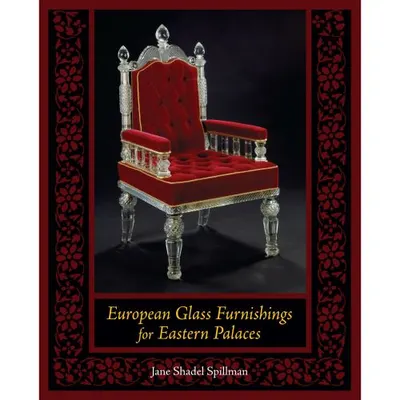
European Glass Furnishings for Eastern Palaces
During the 19th century, glassmakers learned how to produce large pieces that would be strong enough to withstand the pressure of cutting tools.
Încă îl urmărimCum s-a mișcat prețul
Ce am observat noi
la minimToate cifrele de mai sus ies din ce am notat noi, în fiecare noapte. Nu le-am luat de nicăieri.
În fiecare zi luăm cel mai mic preț dintre toate magazinele și îl punem pe grafic. Linia verde e cel mai jos a coborât în ultima lună.
Lasă-ne adresa și îți scriem dacă scade sub —. Un singur e-mail, când chiar se întâmplă ceva. Îți cerem întâi o confirmare, și te poți retrage oricând dintr-un click.
Ce zice magazinul despre el
During the 19th century, glassmakers learned how to produce large pieces that would be strong enough to withstand the pressure of cutting tools. This enabled them to manufacture massive candelabra, fountains, and furniture. Such objects were shown at industrial expositions, which became important showcases for manufactured goods in Europe. In 1851, the scale of these exhibitions changed from regional to global as London hosted the first world’s fair.
This book, which was created to supplement a major exhibition at The Corning Museum of Glass in 2006, traces the development of glass furniture, which began with one-of-a-kind pieces made for royalty, usually in state-operated glasshouses. Wooden objects lavishly decorated with glass are known from the late 17th century, when Louis XIV owned a table with a mosaic glass top and glass legs, which was probably made in Italy. Russia’s Imperial Glassworks fashioned pieces for the imperial family, beginning in the early 19th century. Meanwhile, the French were creat
Descrierea e luată de la Anticexlibris.
Produse similare din Artă & cultură
Vezi categoria →