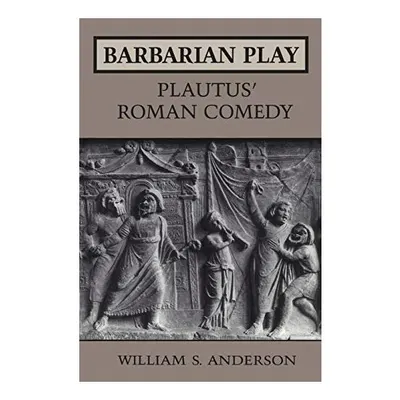
Barbarian Play
In this volume William S. Anderson sets Plautus, who wrote Rome's earliest surviving poetry, in his rightful place among the Greek and Roman writers of what we know as New Comedy (fourth to second centuries).
Peste minimul din 30 de zile (minim: 7,99 lei)Cel mai bun preț din fiecare magazin
| Magazin | Preț | Istoric | |
|---|---|---|---|
AN Anticexlibris ISBN 9780802079411 |
9,99 lei | minim aici: 7,99 lei | Vezi în magazin |
Prețurile sunt preluate automat din feed-urile magazinelor și pot varia; prețul valabil este cel din magazin, la finalizarea comenzii. Linkurile către magazine sunt linkuri de parteneriat — nu îți schimbă prețul și nu influențează ordinea ofertelor.
Evoluția prețului
Ce arată măsurătorile noastre
peste minimCifrele sunt calculate exclusiv din prețurile pe care le-am înregistrat noi, zilnic, la magazinele monitorizate.
Graficul arată cel mai mic preț disponibil în fiecare zi, între toate magazinele monitorizate. Linia verde este minimul din ultimele 30 de zile.
Îți trimitem un e-mail când prețul scade sub 9,99 lei. Îți cerem o confirmare pe e-mail înainte de a-ți trimite orice alertă și te poți dezabona oricând.
Despre acest produs
In this volume William S. Anderson sets Plautus, who wrote Rome's earliest surviving poetry, in his rightful place among the Greek and Roman writers of what we know as New Comedy (fourth to second centuries). Anderson begins by defining major innovations that Plautus made on inherited Greek New Comedy (Menander, Philemon, and Diphilus), transforming it from romantic domestic drama to a celebration of rollicking family anarchy. He shows how Plautus diminished the traditional importance of love and replaced it with a new major theme: 'heroic badness,' especially embodied in the rogue slave (ancestor of the impudent servant, valet, or maid). Anderson then examines the unique verbal texture of Plautus' drama and demonstrates his revolt against realism, his drive to have his characters defy everyday circumstances and pit their intrepid linguistic wit against social order, their Roman extravagant impudence against Greek self-control. Finally, Anderson explores the special form of metatheatre that we admire in Plautus, by which he undermines the assumptions of his Greek models' and replaces them with a new, confident Roman comedy.
Descriere preluată din fișa produsului de la Anticexlibris.
Produse similare din Ficțiune & literatură
Vezi categoria →