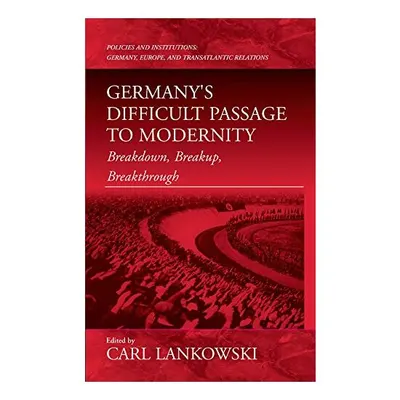
Breakdown, Breakup, Breakthrough
Germany's institutional anatomy, its norms, and the spirits that animate it can only be properly understood if one takes into account such factors as its economic power and central position within Europe.
La minimul din 30 de zileCel mai bun preț din fiecare magazin
| Magazin | Preț | Istoric | |
|---|---|---|---|
AN Anticexlibris ISBN 9781571812827 |
8,99 lei | minim aici: 7,99 lei | Vezi în magazin |
Prețurile sunt preluate automat din feed-urile magazinelor și pot varia; prețul valabil este cel din magazin, la finalizarea comenzii. Linkurile către magazine sunt linkuri de parteneriat — nu îți schimbă prețul și nu influențează ordinea ofertelor.
Evoluția prețului
Ce arată măsurătorile noastre
la minimul din 30 de zileCifrele sunt calculate exclusiv din prețurile înregistrate de noi, zilnic, la magazinele monitorizate.
Graficul arată cel mai mic preț disponibil în fiecare zi, între toate magazinele monitorizate. Linia verde este minimul din ultimele 30 de zile.
Îți trimitem un e-mail când prețul scade sub 8,99 lei. Îți cerem o confirmare pe e-mail înainte de a-ți trimite orice alertă și te poți dezabona oricând.
Despre acest produs
Germany's institutional anatomy, its norms, and the spirits that animate it can only be properly understood if one takes into account such factors as its economic power and central position within Europe. This volume traces the difficult passage of German society to modernity, offering new perspectives on the German question, largely characterized by the absence of key ideological underpinnings of democracy in the early modern period and a constitutional exceptionalism on the eve of the 20th century. The essays describe the organizational infrastructure and behavioral norms that account for the success of Germany's postwar economy and polity, but also register the tensions between the increasingly individualist outlook of post-1968 Germans and the country's highly organized and ritualistic decision-making structures, which often severely test the democratic foundations of the republic. However, Germany is not unique in its efforts to find a balance between traditional and modern forces that have shaped its history. This volume demonstrates that Germany's experience, past and present, teaches broader lessons that speak to the central concerns of our time: what are the historical precursors of and vital attitudes towards democracy? How much structural variation will be feasible in political economies embedded in Europe after the introduction of the Euro and in the context of economic and other globalization? The considerable insights into these questions provided by this volume celebrate the inspiration given to colleagues and students who have worked with Andrei S. Markovits, to whom it is dedicated.
Descriere preluată din fișa produsului de la Anticexlibris.
Produse similare din Istorie & societate
Vezi categoria →