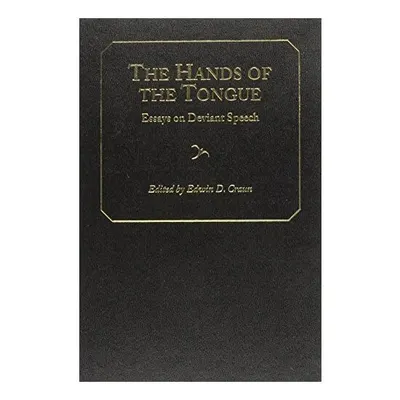
The Hands of the Tongue
What destructive powers did the tongue and its speech have for medievals?
Încă îl urmărimCum s-a mișcat prețul
Ce am observat noi
la minimToate cifrele de mai sus ies din ce am notat noi, în fiecare noapte. Nu le-am luat de nicăieri.
În fiecare zi luăm cel mai mic preț dintre toate magazinele și îl punem pe grafic. Linia verde e cel mai jos a coborât în ultima lună.
Lasă-ne adresa și îți scriem dacă scade sub —. Un singur e-mail, când chiar se întâmplă ceva. Îți cerem întâi o confirmare, și te poți retrage oricând dintr-un click.
Ce zice magazinul despre el
What destructive powers did the tongue and its speech have for medievals? It could damn humans through blasphemy. It could occlude penitential knowledge of the self, especially of the misdirected will, by generating excuses for what the medieval clergy regarded as sin. It could disrupt monastic disciplines of meditation or distract parishioners during sermons. It could turn good repute to ill, destroying a woman''s chances for marriage, a man''s masculine self, a merchant''s credit, or a defendant''s status in a court of law. However, speech could maintain or restore credit, status, and masculinity, and it could also preserve honor in knights or women, in their particular roles as faithful feudal wives. Many of the essays in The Hands of the Tongue: Essays on Deviant Speech bridge disciplines, with social historians adducing evidence from lyrics, narrative poetry, and plays, or literary historians working from moral theology and biblical exegesis. Certainly the whole set of essays works to remind medievalists that any aspects of medieval culture worth studying must be explored collectively. Together the contributors present a clear picture of what we know about deviant speech in medieval culture, offering a critical perspective on the state of the scholarship.
Descrierea e luată de la Anticexlibris.
Produse similare din Ficțiune & literatură
Vezi categoria →