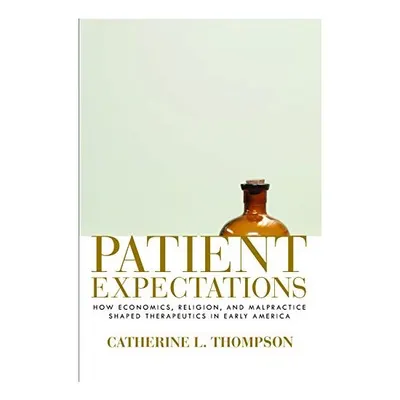
Patient Expectations
During the first half of the nineteenth century a major shift occurred in the medical treatment of illness in the United States, as physicians abandoned the use of "heroic" depletive therapies -- the pukes and…
Peste minimul din 30 de zile (minim: 7,99 lei)Cel mai bun preț din fiecare magazin
| Magazin | Preț | Istoric | |
|---|---|---|---|
AN Anticexlibris ISBN 9781625341594 |
9,99 lei | minim aici: 7,99 lei | Vezi în magazin |
Prețurile sunt preluate automat din feed-urile magazinelor și pot varia; prețul valabil este cel din magazin, la finalizarea comenzii. Linkurile către magazine sunt linkuri de parteneriat — nu îți schimbă prețul și nu influențează ordinea ofertelor.
Evoluția prețului
Ce arată măsurătorile noastre
peste minimCifrele sunt calculate exclusiv din prețurile pe care le-am înregistrat noi, zilnic, la magazinele monitorizate.
Graficul arată cel mai mic preț disponibil în fiecare zi, între toate magazinele monitorizate. Linia verde este minimul din ultimele 30 de zile.
Îți trimitem un e-mail când prețul scade sub 9,99 lei. Îți cerem o confirmare pe e-mail înainte de a-ți trimite orice alertă și te poți dezabona oricând.
Despre acest produs
During the first half of the nineteenth century a major shift occurred in the medical treatment of illness in the United States, as physicians abandoned the use of "heroic" depletive therapies -- the pukes and purges made famous in the 1790s by Dr. Benjamin Rush of Philadelphia -- in favor of a let-nature-take-its-course approach to most diseases. Standard histories of American medicine have long attributed this shift to new theories and training methods as well as increased competition from homeopaths and botanical doctors. In this book, Catherine L. Thompson challenges that interpretation by emphasizing the role of patients as active participants in their own health care rather than passive objects of medical treatment. Focusing on Massachusetts, then as now a center of U.S. medical education and practice, Thompson draws on data from patients'' journals, medical account ledgers, physicians'' daybooks, and court records to link changes in medical treatment to a gradual evolution of patient expectations across varied populations. Specifically, she identifies three developments -- the increasing use of cash in medical transactions, growing religious pluralism, and the rise of malpractice suits -- as key factors in transforming patients into active medical consumers unwilling to submit to doctors'' advice without considering alternatives. By showing how nineteenth-century patients shaped therapeutic practice "through the medical choices they made or didn''t make," Thompson''s study alters our understanding of American medicine in the past and has implications for its present and future.
Descriere preluată din fișa produsului de la Anticexlibris.
Produse similare din Psihologie & filosofie
Vezi categoria →