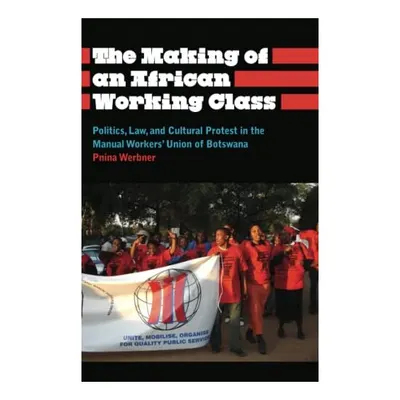
The Making of an African Working Class
The Making of an African Working Class explores the formation of working class identity among low-paid African workers.
Încă îl urmărimCum s-a mișcat prețul
Ce am observat noi
la minimToate cifrele de mai sus ies din ce am notat noi, în fiecare noapte. Nu le-am luat de nicăieri.
În fiecare zi luăm cel mai mic preț dintre toate magazinele și îl punem pe grafic. Linia verde e cel mai jos a coborât în ultima lună.
Lasă-ne adresa și îți scriem dacă scade sub —. Un singur e-mail, când chiar se întâmplă ceva. Îți cerem întâi o confirmare, și te poți retrage oricând dintr-un click.
Ce zice magazinul despre el
The Making of an African Working Class explores the formation of working class identity among low-paid African workers. In arguing for a radical public anthropology of worker identity, the book seeks to analyse the cultural, legal, ideological and experiential dimensions of labour activism often neglected in other labour studies. Pnina Werbner shows that by fusing cosmopolitan and local popular cultural forms of protest, unionists have created a distinctive, vernacular way of being a worker in Botswana: one that does not deny workers' roots at home, in the countryside, while being cognisant of a wider world of cosmopolitan labour rights. The assertion of working class dignity, honour and respect, Pnina argues, is a powerful motivating force for manual workers. Against legal-sceptical approaches, The Making of an African Working Class argues that in challenging the government - their employer - in court, manual workers' protests and mobilisation are deeply embedded in ethics, social justice and the law.
Descrierea e luată de la Anticexlibris.
Produse similare din Psihologie & filosofie
Vezi categoria →