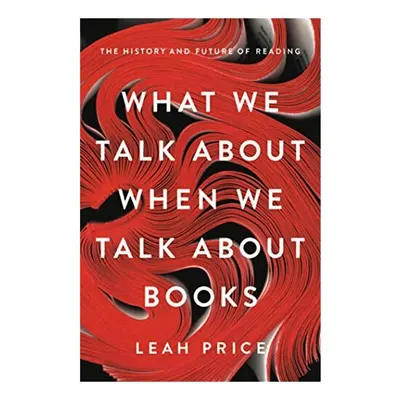
What We Talk About When We Talk About Books: The History and Future of Reading
Reports of the death of reading are greatly exaggerated Do you worry that you've lost patience for anything longer than a tweet?
Încă îl urmărimCum s-a mișcat prețul
Ce am observat noi
la minimToate cifrele de mai sus ies din ce am notat noi, în fiecare noapte. Nu le-am luat de nicăieri.
În fiecare zi luăm cel mai mic preț dintre toate magazinele și îl punem pe grafic. Linia verde e cel mai jos a coborât în ultima lună.
Lasă-ne adresa și îți scriem dacă scade sub —. Un singur e-mail, când chiar se întâmplă ceva. Îți cerem întâi o confirmare, și te poți retrage oricând dintr-un click.
Ce zice magazinul despre el
Reports of the death of reading are greatly exaggerated Do you worry that you've lost patience for anything longer than a tweet? If so, you're not alone. Digital-age pundits warn that as our appetite for books dwindles, so too do the virtues in which printed, bound objects once trained us: the willpower to focus on a sustained argument, the curiosity to look beyond the day's news, the willingness to be alone. The shelves of the world's great libraries, though, tell a more complicated story. Examining the wear and tear on the books that they contain, English professor Leah Price finds scant evidence that a golden age of reading ever existed. From the dawn of mass literacy to the invention of the paperback, most readers already skimmed and multitasked. Print-era doctors even forbade the very same silent absorption now recommended as a cure for electronic addictions. The evidence that books are dying proves even scarcer. In encounters with librarians, booksellers and activists who are reinventing old ways of reading, Price offers fresh hope to bibliophiles and literature lovers alike.
Descrierea e luată de la Anticexlibris.
Produse similare din Istorie & societate
Vezi categoria →