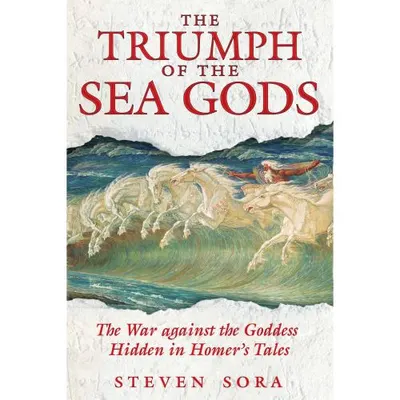
The Triumph of the Sea Gods
An investigation of the geographical incongruities in Homer's epics locates Troy on the coast of Iberia, in a conflict that changed history - Cites the rise in sea level in 1200 B.C.
Încă îl urmărimCum s-a mișcat prețul
Ce am observat noi
la minimToate cifrele de mai sus ies din ce am notat noi, în fiecare noapte. Nu le-am luat de nicăieri.
În fiecare zi luăm cel mai mic preț dintre toate magazinele și îl punem pe grafic. Linia verde e cel mai jos a coborât în ultima lună.
Lasă-ne adresa și îți scriem dacă scade sub —. Un singur e-mail, când chiar se întâmplă ceva. Îți cerem întâi o confirmare, și te poți retrage oricând dintr-un click.
Ce zice magazinul despre el
An investigation of the geographical incongruities in Homer's epics locates Troy on the coast of Iberia, in a conflict that changed history - Cites the rise in sea level in 1200 B.C. as leading to the invasion and victory of the Atlantean sea people over the goddess-worshipping Trojans who ruled the coasts - Identifies Troia (Troy) as part of a tri-city area that later became Lisbon, Portugal In The Triumph of the Sea Gods, Steven Sora argues compellingly that Homer's tales do not describe adventures in the Mediterranean, but are adaptations of Celtic myths that chronicle an Atlantic coastal war that took place off the Iberian Peninsula around 1200 B.C. It was a war between the pro-goddess Celtic culture that presided over what is now Portugal and the patriarchal culture of the sea-faring Atlanteans. The invasion of the Atlantean sea peoples brought destruction to the entire region stretching from Western Europe's Atlantic border to Egypt, Syria, and Turkey. This was a turning point not only politically but a
Descrierea e luată de la Anticexlibris.
Produse similare din Istorie & societate
Vezi categoria →