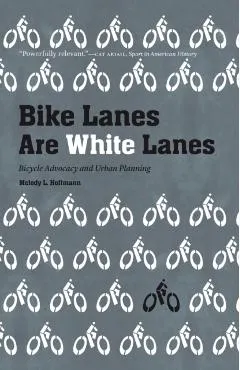
Bike Lanes Are White Lanes: Bicycle Advocacy and Urban Planning
nThe number of bicyclists is increasing in the United States, especially among the working class and people of color.
Încă îl urmărimCum s-a mișcat prețul
Ce am observat noi
la minimToate cifrele de mai sus ies din ce am notat noi, în fiecare noapte. Nu le-am luat de nicăieri.
În fiecare zi luăm cel mai mic preț dintre toate magazinele și îl punem pe grafic. Linia verde e cel mai jos a coborât în ultima lună.
Lasă-ne adresa și îți scriem dacă scade sub —. Un singur e-mail, când chiar se întâmplă ceva. Îți cerem întâi o confirmare, și te poți retrage oricând dintr-un click.
Ce zice magazinul despre el
nThe number of bicyclists is increasing in the United States, especially among the working class and people of color. In contrast to the demographics of bicyclists in the United States, advocacy for bicycling has focused mainly on the interests of white upwardly mobile bicyclists, leading to neighborhood conflicts and accusations of racist planning. n In Bike Lanes Are White Lanes scholar Melody L. Hoffmann argues that the bicycle has varied cultural meaning as a rolling signifier. That is, the bicycle's meaning changes in different spaces, with different people, and in different cultures. The rolling signification of the bicycle contributes to building community, influences gentrifying urban planning, and upholds systemic race and class barriers. n n In this study of three prominent U.S. cities--Milwaukee, Portland, and Minneapolis--Hoffmann examines how the burgeoning popularity of urban bicycling is trailed by systemic issues of racism, classism, and displacement. From a pro-cycling perspective, Bike Lanes Are White Lanes highlights many problematic aspects of urban bicycling culture and its advocacy as well as positive examples of people trying earnestly to bring their community together through bicycling. n nn
Descrierea e luată de la Libris.
Produse similare din Istorie & societate
Vezi categoria →