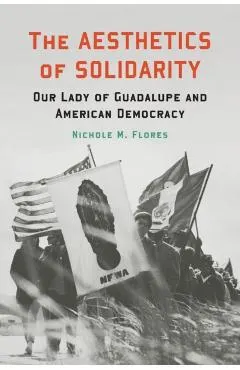
The Aesthetics of Solidarity: Our Lady of Guadalupe and American Democracy
n nHow aesthetic religious experiences can create solidarity in marginalized communitiesn nLatine Catholics have used Our Lady of Guadalupe as a symbol in democratic campaigns ranging from the Chicano movement
Încă îl urmărimCum s-a mișcat prețul
Ce am observat noi
la minimToate cifrele de mai sus ies din ce am notat noi, în fiecare noapte. Nu le-am luat de nicăieri.
În fiecare zi luăm cel mai mic preț dintre toate magazinele și îl punem pe grafic. Linia verde e cel mai jos a coborât în ultima lună.
Lasă-ne adresa și îți scriem dacă scade sub —. Un singur e-mail, când chiar se întâmplă ceva. Îți cerem întâi o confirmare, și te poți retrage oricând dintr-un click.
Ce zice magazinul despre el
n nHow aesthetic religious experiences can create solidarity in marginalized communitiesn nLatine Catholics have used Our Lady of Guadalupe as a symbol in democratic campaigns ranging from the Chicano movement and United Farm Workers' movements to contemporary calls for just immigration reform. In diverse ways, these groups have used Guadalupe's symbol and narrative to critique society's basic structures--including law, policy, and institutions--while seeking to inspire broader participation and representation among marginalized peoples in US democracy. n nYet, from the outside, Guadalupe's symbol is illegible within a liberal political framework that seeks to protect society's basic structures from religious encroachment by relegating religious speech, practices, and symbols to the background.n nThe Aesthetics of Solidarity argues for the capacity of Our Lady of Guadalupe--and similar religious symbols--to make democratic claims. Author Nichole M. Flores exposes the limitations of political liberalism's aesthetic responses to religious difference, turning instead to Latine theological aesthetics and Catholic social thought to build a framework for interpreting religious symbols in our contemporary pluralistic and participatory democratic life. By offering a lived theology of Chicanx Catholics in Denver, Colorado, and their use of Guadalupe in the pursuit of justice in response to their neighborhood's gentrification, this book provides an important framework for a community of interpretation where members stand in solidarity to respond to justice claims made from diverse religious and cultural communities.n
Descrierea e luată de la Libris.
Produse similare din Religie & spiritualitate
Vezi categoria →