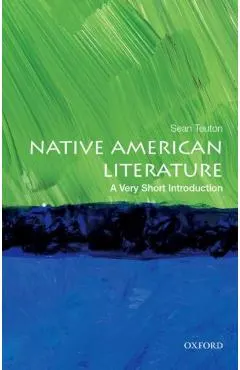
Native American Literature: A Very Short Introduction
nNorth American indigenous literature began over thirty thousand years ago when indigenous people began telling stories of emergence and creation, journey and quest, and heroism and trickery.
A fost și mai ieftin — l-am prins la 64,43 leiCum s-a mișcat prețul
Ce am observat noi
peste minimToate cifrele de mai sus ies din ce am notat noi, în fiecare noapte. Nu le-am luat de nicăieri.
În fiecare zi luăm cel mai mic preț dintre toate magazinele și îl punem pe grafic. Linia verde e cel mai jos a coborât în ultima lună.
Lasă-ne adresa și îți scriem dacă scade sub —. Un singur e-mail, când chiar se întâmplă ceva. Îți cerem întâi o confirmare, și te poți retrage oricând dintr-un click.
Ce zice magazinul despre el
nNorth American indigenous literature began over thirty thousand years ago when indigenous people began telling stories of emergence and creation, journey and quest, and heroism and trickery. By setting indigenous literature in historical moments, Sean Teuton skillfully traces its evolution from the ancient role of bringing rain and healing the body, to its later purpose in resisting European invasion and colonization, into its current place as a world literature that confronts dominance while celebrating the imagination and resilience of indigenous lives. nBy the time Europeans arrived in North America indigenous people already understood the power of written language and the need to transmit philosophy, history, and literature across generations and peoples. Seeking out multiple literary forms such as sermon, poetry, and novel to serve differing worldviews, indigenous authors have shaped their writing into North American indigenous literature as we recognize it today. In this lucid narrative, Sean Teuton leads readers into indigenous worlds. He describes the invention of a written indigenous language, the first indigenous language newspaper, and the literary occupation of Alcatraz Island. Along the way readers encounter the diversity of indigenous peoples who, owing to their differing lands, livelihoods, and customs, molded literature to a nation's specific needs. As Teuton shows, indigenous literature is one of the best places for understanding indigenous views about land and society and the role of humanity in the cosmos. In turning to celebrated contemporary authors such as Thomas King, Leslie Silko, Sherman Alexie, Louise Erdrich, and James Welch, Teuton demonstrates that, like indigenous people, indigenous literature continues to survive because it adapts, both honoring the past and reaching for the future. nn
Descrierea e luată de la Libris.
Produse similare din Ficțiune & literatură
Vezi categoria →