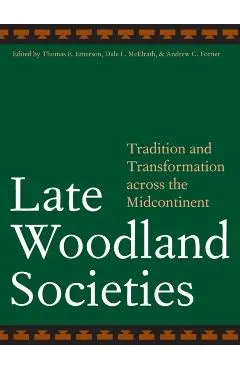
Late Woodland Societies: Tradition and Transformation Across the Midcontinent
Archaeologists across the Midwest have pooled their data and perspectives to produce this indispensable volume on the Native cultures of the Late Woodland period (approximately A.D.
Încă îl urmărimCum s-a mișcat prețul
Ce am observat noi
la minimToate cifrele de mai sus ies din ce am notat noi, în fiecare noapte. Nu le-am luat de nicăieri.
În fiecare zi luăm cel mai mic preț dintre toate magazinele și îl punem pe grafic. Linia verde e cel mai jos a coborât în ultima lună.
Lasă-ne adresa și îți scriem dacă scade sub —. Un singur e-mail, când chiar se întâmplă ceva. Îți cerem întâi o confirmare, și te poți retrage oricând dintr-un click.
Ce zice magazinul despre el
Archaeologists across the Midwest have pooled their data and perspectives to produce this indispensable volume on the Native cultures of the Late Woodland period (approximately A.D. 300-1000). Sandwiched between the well-known Hopewellian and Mississippian eras of monumental mound construction, the Late Woodland period has received insufficient attention from archaeologists, who have frequently characterized it as consisting of relatively drab artifact assemblages. The close connections between this period and subsequent Mississippian and Fort Ancient societies, however, make it especially valuable for cross-cultural researchers. Understanding the cultural processes at work during the Late Woodland period will yield important clues about the long-term forces that stimulate and enhance social inequality. Late Woodland Societies is notable for its comprehensive geographic coverage; exhaustive presentation and discussion of sites, artifacts, and prehistoric cultural practices; and critical summaries of interpretive perspectives and trends in scholarship. The vast amount of information and theory brought together, examined, and synthesized by the contributors produces a detailed, coherent, and systematic picture of Late Woodland lifestyles across the Midwest. The Late Woodland can now be seen as a dynamic time in its own right and instrumental to the emergence of complex late prehistoric cultures across the Midwest and Southeast. Thomas E. Emerson is director of the Illinois Transportation Archaeological Research Program and an adjunct professor at the University of Illinois. He is the author or editor of several works, including Cahokia: Domination and Ideology in the Mississippian World. Dale L. McElrath is statewide survey coordinator and Andrew C. Fortier is special projects coordinator for the Illinois Transportation Archaeological Research Program at the University of Illinois.
Descrierea e luată de la Libris.
Produse similare din Istorie & societate
Vezi categoria →