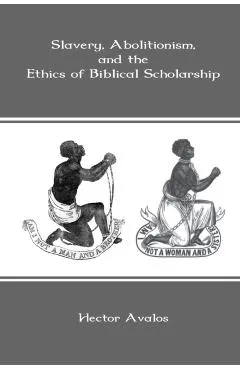
Slavery, Abolitionism, and the Ethics of Biblical Scholarship
In this immensely wide-ranging and fascinating study, Avalos critiques the common claim that the abolition of slavery was due in large part to the influence of biblical ethics.
Încă îl urmărimCum s-a mișcat prețul
Ce am observat noi
la minimToate cifrele de mai sus ies din ce am notat noi, în fiecare noapte. Nu le-am luat de nicăieri.
În fiecare zi luăm cel mai mic preț dintre toate magazinele și îl punem pe grafic. Linia verde e cel mai jos a coborât în ultima lună.
Lasă-ne adresa și îți scriem dacă scade sub —. Un singur e-mail, când chiar se întâmplă ceva. Îți cerem întâi o confirmare, și te poți retrage oricând dintr-un click.
Ce zice magazinul despre el
In this immensely wide-ranging and fascinating study, Avalos critiques the common claim that the abolition of slavery was due in large part to the influence of biblical ethics. Such a claim, he argues, is characteristic of a broader phenomenon in biblical scholarship, which focuses on defending, rather than describing, the ethical norms encountered in biblical texts. The first part of Avalos's critique explores how modern scholars have praised the supposed superiority of biblical ethics at the cost of diminishing or ignoring many similar features in ancient Near Eastern cultures. These features include manumission, fixed terms of service, familial rights, and egalitarian critiques of slavery. At the same time, modern scholarship has used the standard tools of biblical exegesis in order to minimize the ethically negative implications of many biblical references to slavery. The second part of the book concentrates on how the Bible has been used throughout Christian history both to maintain and to extend slavery. In particular, Avalos offers detailed studies of papal documents used to defend the Church's stance on slavery. Discussions of Gregory of Nyssa, Aquinas and Luther, among others, show that they are not such champions of freedom as they are often portrayed. Avalos's close readings of the writings of major abolitionists such as Granville Sharp, William Wilberforce and Frederick Douglass show an increasing shift away from using the Bible as a support for abolitionism. Biblical scholars have rarely recognized that pro-slavery advocates could use the Bible just as effectively. According to Avalos, one of the complex mix of factors leading to abolition was the abandonment of the Bible as an ethical authority. The case of the biblical attitude to slavery is just one confirmation of how unsuitable the Bible is as a manual of ethics in the modern world.
Descrierea e luată de la Libris.
Produse similare din Religie & spiritualitate
Vezi categoria →