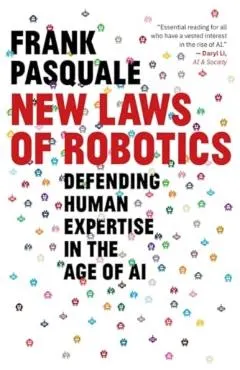
New Laws of Robotics: Defending Human Expertise in the Age of AI
nEssential reading for all who have a vested interest in the rise of AI.
Încă îl urmărimCum s-a mișcat prețul
Ce am observat noi
la minimToate cifrele de mai sus ies din ce am notat noi, în fiecare noapte. Nu le-am luat de nicăieri.
În fiecare zi luăm cel mai mic preț dintre toate magazinele și îl punem pe grafic. Linia verde e cel mai jos a coborât în ultima lună.
Lasă-ne adresa și îți scriem dacă scade sub —. Un singur e-mail, când chiar se întâmplă ceva. Îți cerem întâi o confirmare, și te poți retrage oricând dintr-un click.
Ce zice magazinul despre el
nEssential reading for all who have a vested interest in the rise of AI. --Daryl Li, AI & Society n nThought-provoking...Explores how we can best try to ensure that robots work for us, rather than against us, and proposes a new set of laws to provide a conceptual framework for our thinking on the subject. --Financial Times n nPasquale calls for a society-wide reengineering of policy, politics, economics, and labor relations to set technology on a more regulated and egalitarian path...Makes a good case for injecting more bureaucracy into our techno-dreams, if we really want to make the world a better place. --Wired n nPasquale is one of the leading voices on the uneven and often unfair consequences of AI in our society...Every policymaker should read this book and seek his counsel. --Safiya Noble, author of Algorithms of Oppression n nToo many CEOs tell a simple story about the future of work: if a machine can do what you do, your job will be automated, and you will be replaced. They envision everyone from doctors to soldiers rendered superfluous by ever-more-powerful AI. n nAnother story is possible. In virtually every walk of life, robotic systems can make labor more valuable, not less. Frank Pasquale tells the story of nurses, teachers, designers, and others who partner with technologists, rather than meekly serving as data sources for their computerized replacements. This cooperation reveals the kind of technological advance that could bring us all better health care, education, and more, while maintaining meaningful work. These partnerships also show how law and regulation can promote prosperity for all, rather than a zero-sum race of humans against machines. n nPolicymakers must not allow corporations or engineers alone to answer questions about how far AI should be entrusted to assume tasks once performed by humans, or about the optimal mix of robotic and human interaction. The kind of automation we get--and who benefits from it--will depend on myriad small decisions about how to develop AI. Pasquale proposes ways to democratize that decision-making, rather than centralize it in unaccountable firms. Sober yet optimistic, New Laws of Robotics offers an inspiring vision of technological progress, in which human capacities and expertise are the irreplaceable center of an inclusive economy.n
Descrierea e luată de la Libris.
Produse similare din Drept & administrație
Vezi categoria →