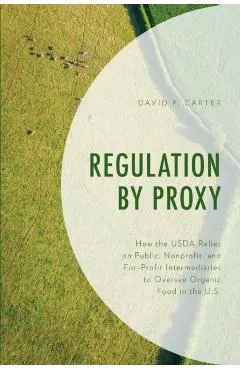
Regulation by Proxy: How the USDA Relies on Public, Nonprofit, and For-Profit Intermediaries to Oversee Organic Food in the U.S.
nRegulation by Proxy catalogues the intermediaries that are critical to organic certification, including the National Organic Standards Board, accredited certifying agents, organic inspectors, the California St
Încă îl urmărimCum s-a mișcat prețul
Ce am observat noi
la minimToate cifrele de mai sus ies din ce am notat noi, în fiecare noapte. Nu le-am luat de nicăieri.
În fiecare zi luăm cel mai mic preț dintre toate magazinele și îl punem pe grafic. Linia verde e cel mai jos a coborât în ultima lună.
Lasă-ne adresa și îți scriem dacă scade sub —. Un singur e-mail, când chiar se întâmplă ceva. Îți cerem întâi o confirmare, și te poți retrage oricând dintr-un click.
Ce zice magazinul despre el
nRegulation by Proxy catalogues the intermediaries that are critical to organic certification, including the National Organic Standards Board, accredited certifying agents, organic inspectors, the California State Organic Program, the Accredited Certifiers Association, the International Organic Inspectors Association, and material review organizations. Drawing on a range of evidence, from original data to the work of prominent food policy authors, Carter assesses each intermediary's contributions to organic standards development, administration, and enforcement. Carter's analysis shows that there are undeniable benefits to how organic food is regulated in the U.S., however, relying on an assortment of intermediaries requires multifaceted oversight for which the USDA may not always have sufficient tools or capacity to realize.
Descrierea e luată de la Libris.
Produse similare din Istorie & societate
Vezi categoria →