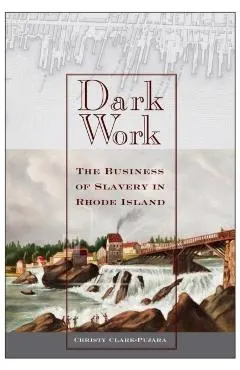
Dark Work: The Business of Slavery in Rhode Island
nTells the story of one state in particular whose role in the slave trade was outsized: Rhode Island Historians have written expansively about the slave economy and its vital role in early American economic…
Încă îl urmărimCum s-a mișcat prețul
Ce am observat noi
la minimToate cifrele de mai sus ies din ce am notat noi, în fiecare noapte. Nu le-am luat de nicăieri.
În fiecare zi luăm cel mai mic preț dintre toate magazinele și îl punem pe grafic. Linia verde e cel mai jos a coborât în ultima lună.
Lasă-ne adresa și îți scriem dacă scade sub —. Un singur e-mail, când chiar se întâmplă ceva. Îți cerem întâi o confirmare, și te poți retrage oricând dintr-un click.
Ce zice magazinul despre el
nTells the story of one state in particular whose role in the slave trade was outsized: Rhode Island Historians have written expansively about the slave economy and its vital role in early American economic life. Like their northern neighbors, Rhode Islanders bought and sold slaves and supplies that sustained plantations throughout the Americas; however, nowhere else was this business so important. During the colonial period trade with West Indian planters provided Rhode Islanders with molasses, the key ingredient for their number one export: rum. More than 60 percent of all the slave ships that left North America left from Rhode Island. During the antebellum period Rhode Islanders were the leading producers of negro cloth, a coarse wool-cotton material made especially for enslaved blacks in the American South. Clark-Pujara draws on the documents of the state, the business, organizational, and personal records of their enslavers, and the few first-hand accounts left by enslaved and free black Rhode Islanders to reconstruct their lived experiences. The business of slavery encouraged slaveholding, slowed emancipation and led to circumscribed black freedom. Enslaved and free black people pushed back against their bondage and the restrictions placed on their freedom. It is convenient, especially for northerners, to think of slavery as southern institution. The erasure or marginalization of the northern black experience and the centrality of the business of slavery to the northern economy allows for a dangerous fiction--that North has no history of racism to overcome. But we cannot afford such a delusion if we are to truly reconcile with our past. nTells the story of one state in particular whose role in the slave trade was outsized: Rhode IslandHistorians have written expansively about the slave economy and its vital role in early American economic life. Like their northern neighbors, Rhode Islanders bought and sold slaves and supplies that sustained plantations throughout the Americas; however, nowhere else was this business so important. During the colonial period trade with West Indian planters provided Rhode Islanders with molasses, the key ingredient for their number one export: rum. More than 60 percent of all the slave ships that left North America left from Rhode Island. During the antebellum period Rhode Islanders were the leading producers of negro cloth, a coarse wool-cotton material made especially for enslaved blacks in the American South
Descrierea e luată de la Libris.
Produse similare din Istorie & societate
Vezi categoria →