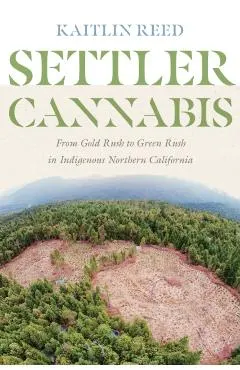
Settler Cannabis: From Gold Rush to Green Rush in Indigenous Northern California
nYoung countercultural back-to-the-land settlers flocked to northwestern California beginning in the 1960s, and by the 1970s, unregulated cannabis production proliferated on Indigenous lands.
Încă îl urmărimCum s-a mișcat prețul
Ce am observat noi
la minimToate cifrele de mai sus ies din ce am notat noi, în fiecare noapte. Nu le-am luat de nicăieri.
În fiecare zi luăm cel mai mic preț dintre toate magazinele și îl punem pe grafic. Linia verde e cel mai jos a coborât în ultima lună.
Lasă-ne adresa și îți scriem dacă scade sub —. Un singur e-mail, când chiar se întâmplă ceva. Îți cerem întâi o confirmare, și te poți retrage oricând dintr-un click.
Ce zice magazinul despre el
nYoung countercultural back-to-the-land settlers flocked to northwestern California beginning in the 1960s, and by the 1970s, unregulated cannabis production proliferated on Indigenous lands. As of 2021, the California cannabis economy was valued at $3.5 billion. In Settler Cannabis, Kaitlin Reed demonstrates how this green rush is only the most recent example of settler colonial resource extraction and wealth accumulation. Situating the cannabis industry within this broader legacy, the author traces patterns of resource rushing--first gold, then timber, then fish, and now cannabis--to reveal the ongoing impacts on Indigenous cultures, lands, waters, and bodies. n nReed shares this history to inform the path toward an alternative future, one that starts with the return of land to Indigenous stewardship and rejects the commodification and control of nature for profit. Combining archival research with testimonies and interviews with tribal members, tribal employees, and settler state employees, Settler Cannabis offers a groundbreaking analysis of the environmental consequences of cannabis cultivation that foregrounds Indigenous voices, experiences, and histories.n
Descrierea e luată de la Libris.
Produse similare din Istorie & societate
Vezi categoria →