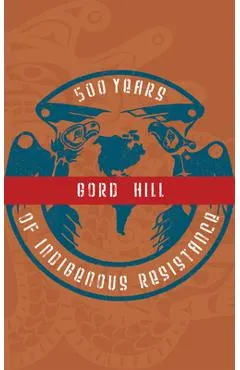
500 Years of Indigenous Resistance
nAn alternative and unorthodox view of the colonization of the Americas by Europeans is offered in this concise history.
Încă îl urmărimCum s-a mișcat prețul
Ce am observat noi
la minimToate cifrele de mai sus ies din ce am notat noi, în fiecare noapte. Nu le-am luat de nicăieri.
În fiecare zi luăm cel mai mic preț dintre toate magazinele și îl punem pe grafic. Linia verde e cel mai jos a coborât în ultima lună.
Lasă-ne adresa și îți scriem dacă scade sub —. Un singur e-mail, când chiar se întâmplă ceva. Îți cerem întâi o confirmare, și te poți retrage oricând dintr-un click.
Ce zice magazinul despre el
nAn alternative and unorthodox view of the colonization of the Americas by Europeans is offered in this concise history. Eurocentric studies of the conquest of the Americas present colonization as a civilizing force for good, and the native populations as primitive or worse. Colonization is seen as a mutually beneficial process, in which civilization was brought to the natives who in return shared their land and cultures. The opposing historical camp views colonization as a form of genocide in which the native populations were passive victims overwhelmed by European military power. In this fresh examination, an activist and historian of native descent argues that the colonial powers met resistance from the indigenous inhabitants and that these confrontations shaped the forms and extent of colonialism. This account encompasses North and South America, the development of nation-states, and the resurgence of indigenous resistance in the post-World War II era. nThe history of the colonization of the Americas by Europeans is often portrayed as a mutually beneficial process, in which civilization was brought to the Natives, who in return shared their land and cultures. A more critical history might present it as a genocide in which Indigenous peoples were helpless victims, overwhelmed and awed by European military power. In reality, neither of these views is correct. 500 Years of Indigenous Resistance is more than a history of European colonization of the Americas. In this slim volume, Gord Hill chronicles the resistance by Indigenous peoples, which limited and shaped the forms and extent of colonialism. This history encompasses North and South America, the development of nation-states, and the resurgence of Indigenous resistance in the post-WW2 era. nThe history of the colonization of the Americas by Europeans is often portrayed as a mutually beneficial process, in which civilization was brought to the Natives, who in return shared their land and cultures. A more critical history might present it as a genocide in which Indigenous peoples were helpless victims, overwhelmed and awed by European military power. In reality, neither of these views is correct. 500 Years of Indigenous Resistance is more than a history of European colonization of the Americas. In this slim volume, Gord Hill chronicles the resistance by Indigenous peoples, which limited and shaped the forms and extent of colonialism. This history encompasses North and South America, the
Descrierea e luată de la Libris.
Produse similare din Istorie & societate
Vezi categoria →