New Approaches to Asian History
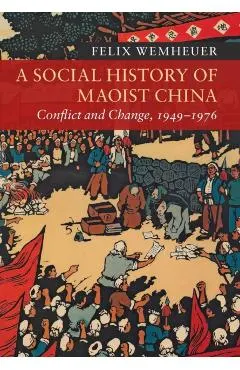
nWhen the Chinese communists came to power in 1949, they promised to 'turn society upside down'.
Încă îl urmărimCum s-a mișcat prețul
Ce am observat noi
la minimToate cifrele de mai sus ies din ce am notat noi, în fiecare noapte. Nu le-am luat de nicăieri.
În fiecare zi luăm cel mai mic preț dintre toate magazinele și îl punem pe grafic. Linia verde e cel mai jos a coborât în ultima lună.
Lasă-ne adresa și îți scriem dacă scade sub —. Un singur e-mail, când chiar se întâmplă ceva. Îți cerem întâi o confirmare, și te poți retrage oricând dintr-un click.
Ce zice magazinul despre el
nWhen the Chinese communists came to power in 1949, they promised to 'turn society upside down'. Efforts to build a communist society created hopes and dreams, coupled with fear and disillusionment. The Chinese people made great efforts towards modernization and social change in this period of transition, but they also experienced traumatic setbacks. Covering the period 1949 to 1976 and then tracing the legacy of the Mao era through the 1980s, Felix Wemheuer focuses on questions of class, gender, ethnicity, and the urban-rural divide in this new social history of Maoist China. He analyzes the experiences of a range of social groups under Communist rule - workers, peasants, local cadres, intellectuals, 'ethnic minorities', the old elites, men and women. To understand this tumultuous period, he argues, we must recognize the many complex challenges facing the People's Republic. But we must not lose sight of the human suffering and political terror that, for many now ageing quietly across China, remain the period's abiding memory.
Descrierea e luată de la Libris.
Produse similare din Istorie & societate
Vezi categoria →