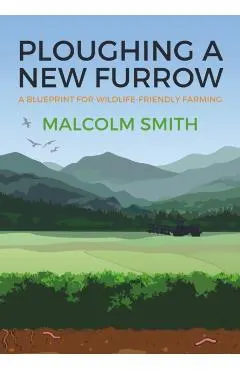
Ploughing a New Furrow
Farmland wildlife has been decimated by intensive crop growing using pesticides, grubbing up hedges, ploughing heathland and draining marshes, etc.
La minimul din 30 de zileCel mai bun preț din fiecare magazin
| Magazin | Preț | Istoric | |
|---|---|---|---|
LB Libris ISBN 9781849953283 |
118,50 lei | la minimul propriu | Vezi în magazin |
Prețurile sunt preluate automat din feed-urile magazinelor și pot varia; prețul valabil este cel din magazin, la finalizarea comenzii. Linkurile către magazine sunt linkuri de parteneriat — nu îți schimbă prețul și nu influențează ordinea ofertelor.
Evoluția prețului
Istoricul de preț se construiește — mai avem nevoie de câteva zile de monitorizare pentru un grafic relevant.
Ce arată măsurătorile noastre
la minimul din 30 de zileCifrele sunt calculate exclusiv din prețurile înregistrate de noi, zilnic, la magazinele monitorizate.
Graficul arată cel mai mic preț disponibil în fiecare zi, între toate magazinele monitorizate. Linia verde este minimul din ultimele 30 de zile.
Îți trimitem un e-mail când prețul scade sub 118,50 lei. Îți cerem o confirmare pe e-mail înainte de a-ți trimite orice alertă și te poți dezabona oricând.
Despre acest produs
Farmland wildlife has been decimated by intensive crop growing using pesticides, grubbing up hedges, ploughing heathland and draining marshes, etc. With too many sheep grazing our moors, hills and mountains, a range of upland plants, invertebrates and birds has been diminished and the land converted to closely-grazed turf, perfect for heavy rain to cause catastrophic downstream floods. Once common farmland birds have declined by 54% since 1970 with farmland invertebrates declining by 40% in a few decades. Since the 1930s a staggering 97% of our once flower-rich meadows has been lost. n n Ploughing a New Furrow examines these stark figures and in the context of Brexit considers the unprecedented opportunity for wildlife once again to be nurtured by Britain's farmers alongside food production, reversing the enormous plant and animal losses our farmland has suffered. n n With its financial largesse, the Common Agricultural Policy (CAP) has encouraged farmers to destroy huge areas of wildlife habitat in Britain's lowlands and seriously damage large tracts of our uplands, depleting Britain's farmed land of much of its wildlife. With responsibility for farm policy to be transferred back to the UK, these enormous losses could be reversed and Britain's farms made wildlife-rich once more. n n This book is based to a significant extent on conversations with farmers and on the achievements and experiences of some farmers who have made good use of agri-environment payments to reinstate lost habitats and manage their remaining wildlife more sensitively. The author sets out the case for removing or capping subsidies, supporting organic and other more sustainable forms of agriculture and the conservation of soils and the rich life forms they hold. He proposes a set of policy changes and other measures that should be adopted by the Government post-Brexit to make the 70% of our land that farming occupies rich in wildlife again. Literally food for thought! n
Descriere preluată din fișa produsului de la Libris.
Produse similare din Științe & tehnică
Vezi categoria →