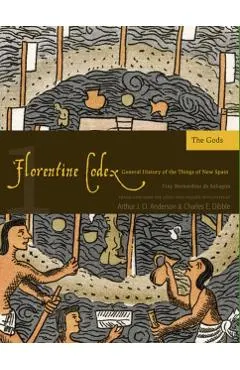
Florentine Codex: Book 1: Book 1: The Gods
nTwo of the world's leading scholars of the Aztec language and culture have translated Sahagún's monumental and encyclopedic study of native life in Mexico at the time of the Spanish Conquest.
Încă îl urmărimCum s-a mișcat prețul
Ce am observat noi
la minimToate cifrele de mai sus ies din ce am notat noi, în fiecare noapte. Nu le-am luat de nicăieri.
În fiecare zi luăm cel mai mic preț dintre toate magazinele și îl punem pe grafic. Linia verde e cel mai jos a coborât în ultima lună.
Lasă-ne adresa și îți scriem dacă scade sub —. Un singur e-mail, când chiar se întâmplă ceva. Îți cerem întâi o confirmare, și te poți retrage oricând dintr-un click.
Ce zice magazinul despre el
nTwo of the world's leading scholars of the Aztec language and culture have translated Sahagún's monumental and encyclopedic study of native life in Mexico at the time of the Spanish Conquest. This immense undertaking is the first complete translation into any language of Sahagún's Nahuatl text, and represents one of the most distinguished contributions in the fields of anthropology, ethnography, and linguistics. n n Written between 1540 and 1585, the Florentine Codex (so named because the manuscript has been part of the Laurentian Library's collections since at least 1791) is the most authoritative statement we have of the Aztecs' lifeways and traditions--a rich and intimate yet panoramic view of a doomed people. n n The Florentine Codex is divided by subject area into twelve books and includes over 2,000 illustrations drawn by Nahua artists in the sixteenth century. n n Book One describes in detail the gods of the Aztec people, including Uitzilopochtli, Tlatoc, and Quetzalcoatl. This colorful and clear translation brings to life characteristics of each god, describing such items as clothing or adornment worn by individual gods, as well as specific personality traits.n
Descrierea e luată de la Libris.
Produse similare din Istorie & societate
Vezi categoria →